Why Cow Print Took Over and What It Says About Micro Trends

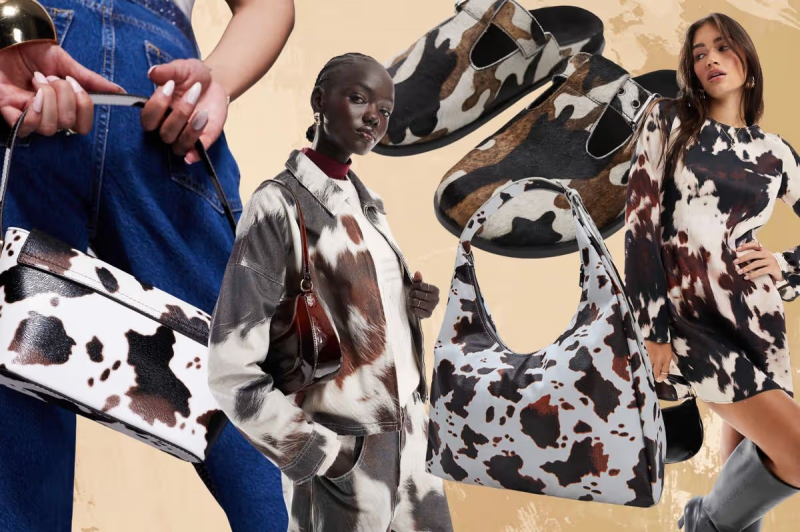
Cow print has evolved from a quirky novelty into one of fashion’s most revealing micro trends, exposing how fast cycles, online culture, and identity politics now shape what we wear. Looking at its rise and persistence shows why this “moo-core” moment is about much more than spots on a skirt.
The Rise of Cow Print: From Meme to Mainstream
Cow print’s modern resurgence can be traced back to late‑2010s internet culture, especially Doja Cat’s 2018 “Mooo!” video, which turned the pattern into a viral meme rather than a serious fashion statement. Within a year, the print moved from joke to trend, appearing on bucket hats, corsets, boots, and full outfits, with even brands like Burberry experimenting with it.
By early–mid 2020s, data platforms and retailers reported sharp spikes in demand: Lyst recorded a 55% rise in cow‑print searches in late 2024, while trend analytics firm Heuritech noted a 335% global spike, signaling one of fashion’s fastest‑growing patterns. In 2026, fashion outlets describe cow print as a new “queen” of animal motifs and a breakout motif of the season, showing up across runways and street style.
Why Cow Print Took Over
Several forces combined to push cow print past leopard and snake into the spotlight.
● It feels fresh yet familiar: unlike the overt sexiness of leopard or the edge of snake, cow print reads as playful, ironic, and more grounded.
● It works like a neutral: its classic black‑and‑white or brown‑and‑cream palette pairs easily with denim, leather, and brights, which is why editors now call it a “cool‑girl neutral.”
● It taps western and “yeehaw” aesthetics: the print dovetails with the cowboy‑core wave and Americana nostalgia, from Lil Nas X’s “Old Town Road” moment to the broader revival of western boots, fringe, and ranch‑coded styling.
● It photographs well: the high‑contrast spots read strongly on camera and screens, making the motif ideal for TikTok, Instagram, and e‑commerce thumbnails.
In short, cow print won because it hit the sweet spot between novelty and wearability: bold enough for a micro trend, but versatile enough to slip into everyday wardrobes.
Cow Print and the Logic of Micro Trends
Cow print is a textbook example of how micro trends now move through the fashion ecosystem.
1. Seeded by internet culture: A meme, video, or niche aesthetic (like “yeehaw” or cottage‑core) introduces a visual idea that spreads rapidly via social feeds. Cow print’s early life as a joke pattern gave users permission to wear it ironically, which made it shareable and low‑risk.
2. Amplified by platforms and data: Trend trackers and fashion media now monitor TikTok and search data weekly, turning emerging motifs into “stories” once they cross certain thresholds. Articles announcing cow print as a micro trend help codify and accelerate its diffusion into high‑street and mid‑market brands.
3. Short, intense life cycles: Micro trends thrive on speed and saturation—cow print shows up on everything from boots to earrings, then risks burnout as mass retailers flood the market. The pattern’s very ubiquity signals that we’ve entered the “treadmill” stage: consumers keep jumping to the next micro motif to stay visually “current.”
4. Recycling and comeback potential: Because cow print ties into cyclical western and Y2K revivals, it can repeatedly return in updated forms, sleeker silhouettes in 2025, more sophisticated styling in 2026 rather than disappearing entirely.
Cow print, then, doesn’t just ride the micro‑trend treadmill; it exposes how that treadmill works: rapid discovery, algorithmic amplification, mass adoption, and then controlled reinvention.
What Cow Print Symbolizes
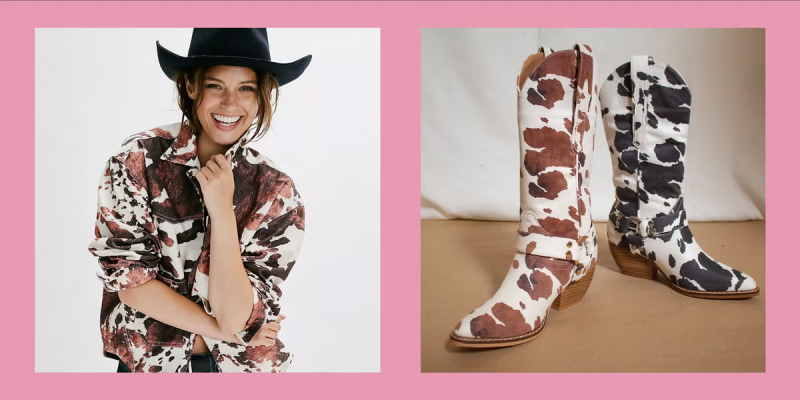
Beyond aesthetics, cow print is loaded with cultural and emotional meaning.
● Playful nostalgia and pastoral escape: Historians and trend forecasters see cow print as a tongue‑in‑cheek nod to pastoral simplicity and “country” life, contrasting with urban, digital overload. Wearing it can be a way of flirting with the fantasy of a slower, rural existence while still rooted in city life and screens.
● A softer take on power and sexuality: Traditional animal prints have long been coded with eroticism and exoticism; cow print, by contrast, projects irreverence rather than predatory glamour. It lets wearers be bold without performing conventional “sexy” tropes, aligning with a generation that prefers humor, irony, and self‑awareness over overt seduction.
● Body politics and reclamation: For fat women in particular, embracing cow print has become a way to reclaim an insult “cow” that is often weaponized against them. Wearing the motif loudly flips the script: the wearer turns ridicule into a badge of visibility, leaning into joy and confidence rather than shrinking from stereotypes.
● Identity play and subculture signaling: Cow print intersects with western, festival, K‑pop, and TikTok aesthetics, acting as a visual shorthand that connects wearers to certain scenes and online subcultures. It lets people play with camp, cosplay, and costume without fully committing to a head‑to‑toe character.
In this sense, the pattern works as a wearable meme: it carries jokes, histories, and politics on its surface, inviting recognition from those “in the know.”
Micro Trends, Fast Fashion, and the “Treadmill” Effect
Cow print also surfaces uncomfortable questions about sustainability and consumption.
● As a micro trend, it encourages rapid purchasing of highly specific items i.e. cow‑print minis, boots, and statement coats—that risk feeling dated once the visual wave moves on.
● Mainstream uptake by fast‑fashion and mass retailers magnifies production, contributing to overstock and short‑lived wear cycles.
● The very data that proves the print’s success—search spikes, sell‑outs, TikTok hits—also feeds the system that demands the “next” print, forcing consumers onto a perpetual trend treadmill.
Yet cow print also hints at a partial counter‑movement: because it can be styled as a neutral and linked to recurring western cycles, some brands and consumers position it as a semi‑timeless motif rather than a disposable novelty.
How to Wear Cow Print Without Riding the Treadmill
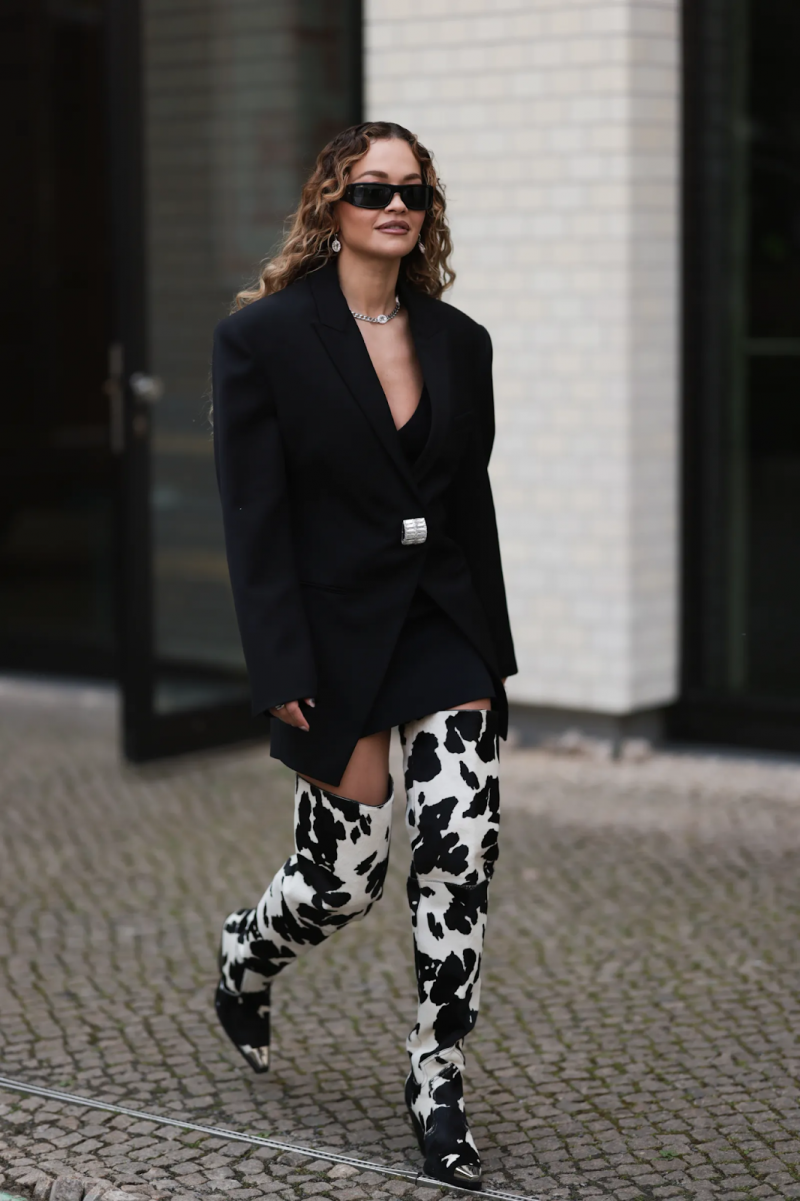
For anyone drawn to the motif but wary of micro‑trend burnout, a more strategic approach can turn cow print into a long‑term wardrobe asset rather than a seasonal gimmick.
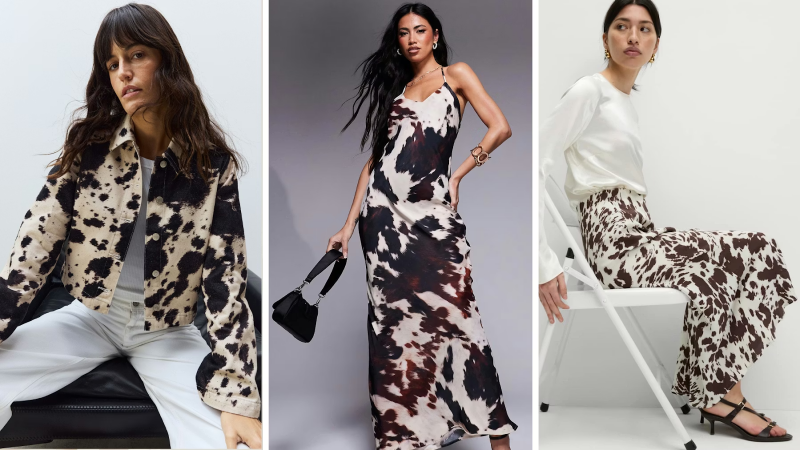
● Focus on versatile pieces: boots, bags, belts, or one well‑cut jacket in a classic black‑and‑white or brown‑and‑cream palette.
● Keep silhouettes modern and clean—structured coats, tailored trousers, boxy minis—so the print feels graphic and elevated, not costume‑like.
● Treat it as a neutral by pairing with denim, leather, crisp white shirts, or a single bold color; let the print be the main visual “texture” in the outfit.
● If you’re exploring its political or personal symbolism (body positivity, western reclamation, or nostalgia), choose pieces that make you feel comfortable and empowered rather than “in character.”
Conclusion: More Than Just Spots
The cow print craze is a fascinating case study in how fashion trends emerge, spread, and evolve in the digital age. Its rise underscores the power of social media, the rapid pace of trend cycles, and the complexities of modern style consumption. More than just a pattern on fabric, cow print reflects the broader cultural rhythms of attention, desire, and identity, offering an opportunity to reflect on how and why we choose what we wear.
Whether cow print endures as a lasting staple or eventually fades like other micro trends, it has already left a mark: prompting conversations about trend culture, sustainability, and what it means to create a wardrobe that truly reflects who we are.



Trending Collections


Popular Tags
Traje de trabajo de talla grande
24 Posts
Trajes De Mezclilla
237 Posts
Pantalones rasgados
873 Posts