‘Poetcore’ is the new granny-chic trend that’s transforming fashion for angsty geeks and celebs

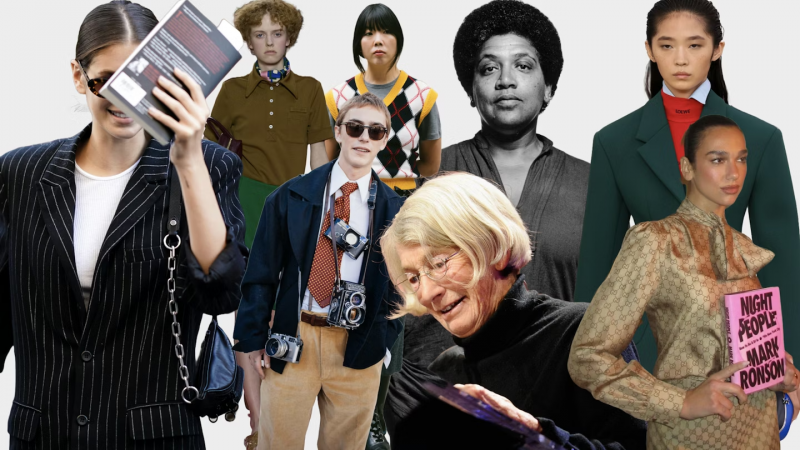
“Poetcore” is the new granny‑chic mood dressing that lets you look like you live in a secondhand bookshop, write devastating lines in the notes app, and still photograph like a star. It borrows from grandmas, grad students, and goth ex‑theatre kids all at once but instead of costuming you as a character, it gives your existing angst and tenderness a uniform.
I. Lede: A Soft Entrance into Melancholy
Poetcore arrives as a reaction to years of hyper‑glossy, body‑con, “look at me” dressing, trading in sequins and cut‑outs for cardigans, capes, and quietly fraying tweed. It’s less about being noticed across a room and more about being intriguing up close, like someone whose outfit makes you want to ask what they’re reading. Think of it as dressing for rainy library days, late‑night bus rides with headphones on, and text drafts you never send.
Visually, poetcore feels like an eternal mid‑October: muted browns, ink blacks, soft creams, cigarette‑paper greys, and burgundy that looks like dried wine stains. The silhouettes are gentle rather than sharp—long coats instead of micro jackets, wide‑leg trousers instead of vacuum‑sealed jeans, shirts with billowing sleeves instead of going‑out tops. It is nostalgic, melancholic, and oddly comforting, like finding a pressed flower in an old book.
II. What Is Poetcore, Really?

At its core, poetcore is a literary aesthetic turned into a wardrobe: clothing that looks like it belongs to someone who spends more time annotating margins than refreshing a feed. It blends dark‑academia elements (blazers, loafers, pleats) with grandmacore touches (cardigans, brooches, lace collars), then softens everything with a lived‑in, romantic finish. The result is less campus cosplay, more “person who writes lines you highlight.”
Key pieces define the vibe:
● Oversized turtlenecks and fine‑gauge knitwear.
● Tweed and wool blazers, preferably slightly too big, as if borrowed.
● Long coats, trenches, and capes that swish when you walk.
● Pleated or A‑line skirts, wide‑leg trousers, opaque tights.
● Satchel and messenger bags, fountain pens, notebooks, and brooches as daily accessories.
Emotionally, poetcore isn’t just “smart” dressing, it’s sensitive dressing. You’re not just signaling intellect, you’re signaling interiority: that you have thoughts, feelings, drafts, and maybe a little unresolved heartbreak. It is aestheticized vulnerability masquerading as quiet, classic style.
III. From Granny Chic to Poetic Cool
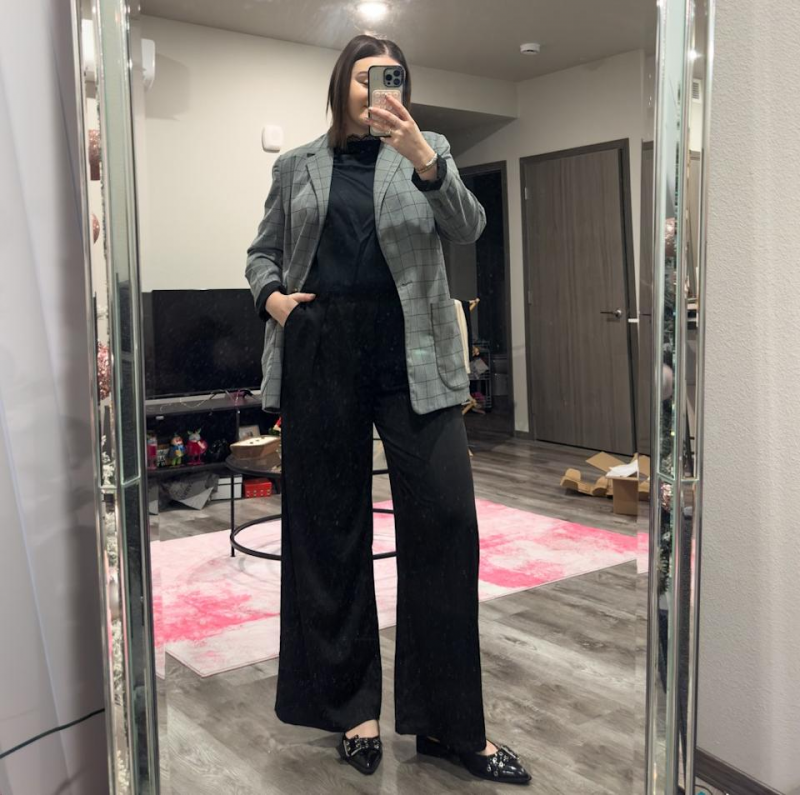
Poetcore doesn’t come out of nowhere; it grows directly out of grandmacore and granny‑chic trends that turned cardigans, pearls, and floral house dresses into unexpectedly cool pieces. Where grandmacore leaned into cozy nostalgia—“I stole my nana’s shawl and her cookie recipe”—poetcore edits that wardrobe with a sharper eye for mood and narrative. It swaps kitschy florals for somber prints, prim pearls for tarnished jewelry, bright crochet for subdued knitwear.
The “granny” part shows up in:
● Heritage fabrics: tweed, wool, crochet, cable knit.
● Modest shapes: mid‑length skirts, high necklines, long sleeves.
● Old‑world accessories: brooches, clip‑on earrings, silk scarves, spectacles‑inspired sunglasses.
But poetcore pushes this into “poetic cool” through styling. That cardigan is worn over a crisp white shirt with a skinny tie; the brooch pins a coat deliberately; the lace collar peeks out from under a dark sweater instead of topping a saccharine dress. The vibe shifts from “sweetly retired” to “mysterious visiting lecturer,” from cozy kitsch to cinematic character.
IV. Why Poetcore Belongs to Angsty Geeks
If any group owns poetcore, it’s the angsty geeks: the kids who were always reading, the fandom nerds, the ones who fell too hard for “Dead Poets Society” or that one melancholy playlist. For them, poetcore is more than a look; it’s social armor. An oversized blazer and turtleneck make you feel held together, even when your brain feels like an open‑tab overload.
Poetcore also rewards inner worlds, giving “main character energy” to the kid in the corner and turning introversion into a style point instead of a social penalty. Online, angsty geeks use poetcore to blur the line between fandom and fashion, creating outfits that feel cosplay‑adjacent without ever tipping fully into costume.
● Poetcore functions as social armor for anxious, introverted, or highly online people.
● The aesthetic validates inner worlds over hyper‑visible, body‑focused trend cycles.
● Dressing like a poet signals “I’m thinking, feeling, processing,” even if someone is awkward or quiet.
● It reframes introversion and bookishness as stylish rather than socially “less than.”
● Angsty geeks build outfits inspired by favorite authors, fictional professors, and moody protagonists.
● Specific pieces act as references: battered messenger bags for fantasy quests, long coats for vampire lore or literature professors, and black ribbons as nods to tragic heroines.
● The styling sits close to cosplay but stays wearable for everyday life, keeping the look expressive without becoming a full costume.
V. When Celebrities Dress Like Poets
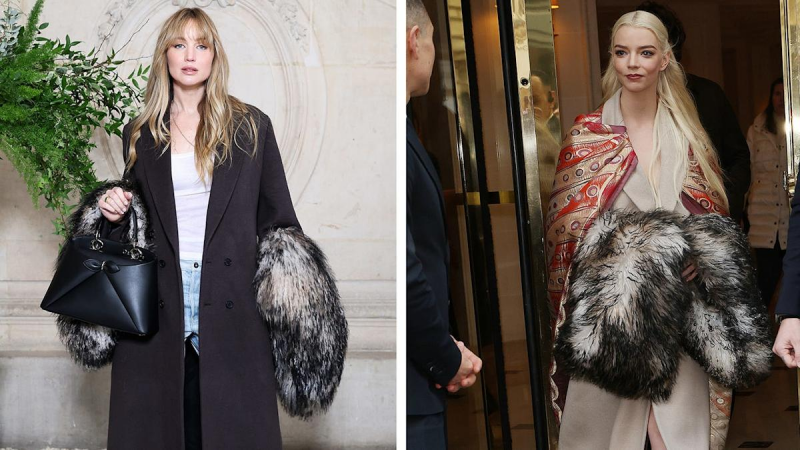
Celebrities have already started using poetcore as an image tool: it’s what you wear when you want to look thoughtful and grounded rather than unreachably glamorous. Long coats over knit dresses on talk‑show couches, librarian glasses and pleated skirts on daytime outings, dark tights and Mary Janes at film festivals—all of it reads “serious” without being sterile. It whispers, “I write in hotel rooms and annotate scripts,” even if a stylist pulled everything two hours earlier.
Musicians in particular are leaning into poet‑coded outfits during album cycles that hinge on feelings, lyrics, and “I’ve grown.” Think of the star who swaps their old glittery stage persona for trench coats, satchel bags, and slim ties when they enter their “writer” or “sadder, wiser” era. The aesthetic says, “I’m in my reflective period” as clearly as a close‑up piano ballad.
On red carpets, poetcore filters through in more subtle ways:
● Capes and opera coats instead of naked dresses.
● High‑neck gowns with poet sleeves instead of plunging fronts.
● Velvet, jacquard, and brocade in deep jewel tones instead of sequin explosions.
These choices are still glamorous, but they pull from old theater wardrobes and literary adaptations rather than clubwear. For celebs who want longevity and seriousness, poetcore hints at depth without ever needing a press release.
VI. Authenticity vs. Aesthetic
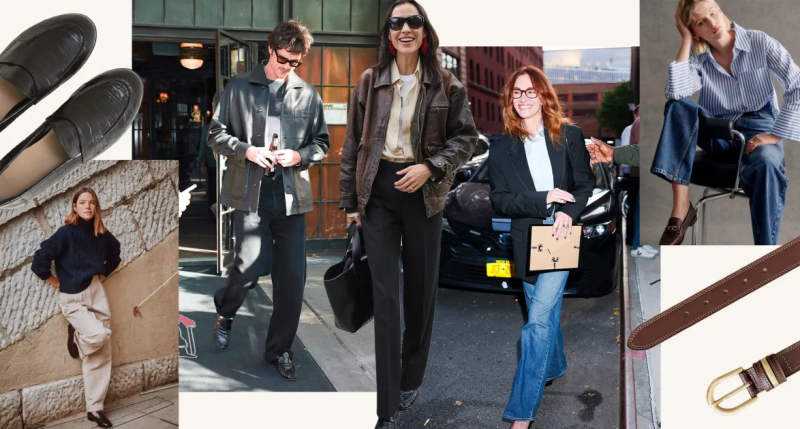
Of course, the moment an aesthetic gets a name, it risks becoming hollow. Poetcore lives in a tense space between genuine self‑expression and carefully packaged persona. Buying a tweed blazer doesn’t automatically give you a rich inner life, but social media can make it feel like aesthetics are shortcuts to identity: “If I dress like a poet, I am one.”
The line between authentic angst and curated melancholy gets blurry fast. You can stage a photo with a vintage book, half‑drunk cappuccino, and tortoiseshell glasses without actually finishing a single chapter. When poetcore is treated purely as content, it becomes just another costume—sad‑girl drag to match a trending sound.
Yet aesthetics can also be aspirational in a healthy way. Many people move toward poetcore because it nudges them into habits they actually want: reading more, journaling, exploring slower, analog pleasures. The key is whether the clothes support who you are becoming or trap you in a version of yourself you only perform for the camera.
VII. Poetcore as Quiet Rebellion
Underneath the softness, poetcore has teeth. It’s a quiet rebellion against both hyper‑sexualized dressing and the relentless churn of micro‑trends. Choosing a long skirt and a slouchy blazer in a world of cut‑outs and bodycon is its own kind of refusal. Opting for heirloom jewelry, thrifted menswear coats, and shoes that can actually walk distance is a soft “no” to disposability.
It also resists the demand to constantly perform happiness. The palette is moody; the layers can swallow you a bit; the silhouettes make room for bad posture, bad days, and big headphones. Wearing poetcore can feel like granting yourself permission to be complicated, sad, or simply not “on” all the time—without checking out of fashion entirely.
In many ways, poetcore re‑romanticizes the ordinary. It suggests that the bus stop, the library, the café corner are worthy of cinematic treatment, not just the club or the beach. Instead of “dressing for the male gaze” or even the algorithmic gaze, you’re dressing for the imagined gaze of a reader or a future you looking back at photos like pages in a diary.
VIII. Poetcore vs other “intellectual” aesthetics
| Aesthetic | Vibe in one line | Typical pieces | Emotional tone |
| Dark academia | Moody, gothic student at an elite university | Black blazers, plaid skirts, oxfords, coats | Intense, dramatic, brooding |
| Coastal grandma | Relaxed, seaside chic retiree | Linen pants, cable knits, straw totes | Calm, cozy, aspirational |
| Grandmacore | Cute, kitschy grandmother nostalgia | Floral dresses, cardigans, pearls | Whimsical, comforting |
| Poetcore | Sensitive, literary main character | Tweed blazers, capes, satchels, ties | Reflective, romantic, quiet |
IX. Why poetcore is resonating now
Poetcore taps into a broader cultural craving for slowness, analog hobbies, and a bit of mystery in how we present ourselves. Stylists note that it reflects a shift away from pure intellect cosplay (looking like a “smart” character) toward emotional storytelling through clothes what one expert calls a move from academic aesthetics that “focus on the intellect” to poetcore that “speaks to the heart.”
Gen Z and millennials are also using aesthetics as shorthand for identity, and poetcore delivers a persona that is creative, curious, and slightly removed from the chaos of the feed. At the same time, the trend dovetails with resistance to fast fashion: many poetcore enthusiasts build their looks with thrifted menswear coats, inherited jewelry, and vintage tailoring, turning sustainability into part of the story.
Ultimately, poetcore’s granny‑chic twist makes it feel both nostalgic and oddly new: you can dress like someone’s eccentric aunt and a TikTok‑famous writer at the same time. For angsty geeks and celebs alike, that mix of comfort, depth, and quiet drama is exactly what makes poetcore the defining mood of 2026 wardrobes.
X. Closing Reflection: A Look That Reads You Back
Poetcore isn’t about being the best‑dressed person in the room; it’s about being the one who looks like they could change the room with a sentence. When you slip into that oversized coat, pin on that slightly old‑fashioned brooch, or knot that skinny tie over a rumpled shirt, you’re not just signaling taste you’re hinting at chapters people can’t see yet.
Granny‑chic details give the aesthetic its tenderness, while the literary mood lends it gravity; together, they make space for a kind of fashion that feels less like a shout and more like a line under your breath. In the end, poetcore works best when you let it meet you halfway. You bring the real scribbles, the real doubts, the real late‑night thoughts and the clothes simply frame them.
Because the secret of poetcore is this: you think you’re dressing to express your feelings, but if you’re not careful, the look will start asking questions back. Are you living the story you’re dressing for, or just skimming the surface? That’s the difference between wearing poetcore as a costume and letting it become a style that, quietly, reads you back.



Trending Collections

Popular Tags
Plus Size Work Outfits
32 Posts
School Outfit
280 Posts
Denim Outfits
562 Posts