Triips.com Review: Cheap Flight Hacks or Overhyped Subscription?

If you’ve been on TikTok or YouTube lately, you’ve probably seen Triips.com flaunting jaw‑dropping fares like sub‑$200 round-trips to Europe and ultra‑cheap getaways from Canada. The promise is simple: pay a membership fee, let their system find “mistake fares” and rare deals, and save hundreds on flights.
This review breaks down what it actually offers, how it performs in real use, and what real users are saying, both the hype and the horror stories. By the end, you’ll know whether this flight club is worth your money or better skipped for free tools.
Overview
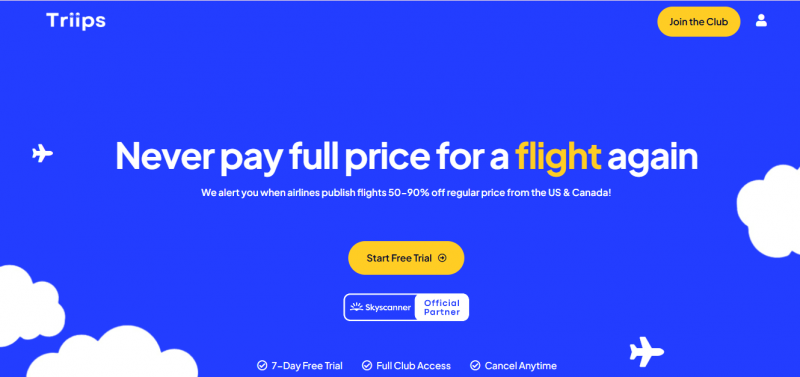
This platform is a subscription‑based flight‑deal service that sends members email alerts for unusually cheap fares, often framed as error fares or limited‑time deals. You don’t book directly with Triips; instead, they route you to Skyscanner (their partner) or airline/OTA sites to complete your booking.
What does it offer?
- Email alerts with very cheap round-trip flight deals (often international), mostly from major airports in the U.S. and Canada.
- Claimed average savings of several hundred dollars per trip and marketing that suggests 50–90% off typical fares.
- A “$500 savings guarantee” in year one: if you don’t save at least that much, they promise to refund your membership fee (terms apply).
Pricing

Typical membership pricing reported by users is around 99–159 (USD/CAD) per year, sometimes following a 7‑day free trial.
Focuses on flights departing from top U.S. and Canadian airports; smaller cities often need to position to a major hub.
Deals are delivered via email; the site acts as a discovery layer on top of Skyscanner and airline booking engines.
Triips positions itself as a paid “flight hacker” assistant, not a booking engine, and is marketed heavily to budget‑conscious travelers and young adults in North America.
What I Expected
It targets the exact pain point most travelers have: you’re tired of spending hours on Google Flights, only to feel like you still overpaid. The brand’s social ads and TikTok clips showcase unreal‑looking fares, think New York–Rome for around 145 USD or Canada–Europe under 200, which easily trigger FOMO.
From the marketing, you’d reasonably expect:
- Consistent alerts with deeply discounted international flights from major US/Canadian hubs.
- Real, bookable fares that match the screenshots closely when you click through.
- Transparent billing around the free trial, plus an accessible refund if the advertised “savings guarantee” isn’t met.
Below is a breakdown of how Triips performs based on the reviews, AMA insights from the founder, and aggregated feedback.
Use & Interface
Users describe the website and email experience as straightforward: you receive simple email alerts with origin, destination, price, dates, and a link to Skyscanner or a similar site to book.
The main “interaction” is managing your inbox and acting quickly when the right deal shows up, rather than toggling complex search filters.
Real‑World Results
- The founder’s AMA claims that it deals, over a 3‑month internal comparison, averaged about 30% cheaper than rival service Going on the same routes, with at least 50 round-trip date combinations included per deal.
- AI summary and visible reviews show multiple users reporting savings in the hundreds of dollars, including one claiming about 600 USD saved on a first booking, and others noting sub‑150 USD round-trips to Madrid or Europe.
- For flexible travelers departing big hubs, there is genuine evidence of significant savings on some international flights, particularly from major Canadian cities.
Comfort, Drawbacks & Red Flags
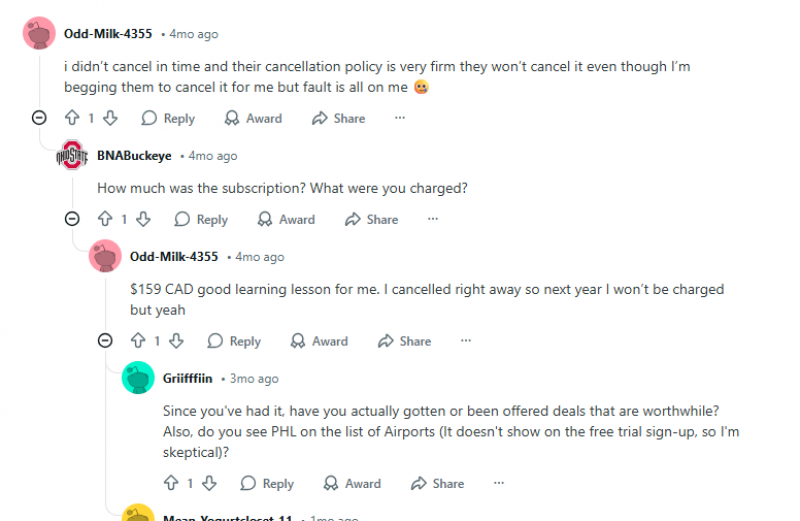
- It does not send a reminder before your 7‑day free trial renews, which led at least one user to miss the cancellation deadline and get charged around 159 CAD.
- Multiple reviewers allege denied cancellations and being charged after they believed they canceled before the trial ended, with strict no‑refund policies described as “predatory.”
- Critics point to frequent rebranding and names like “Fair Fares Club” or “Triips Club” as a pattern that resembles reputation‑reset behavior.
- On the positive side, Scamadviser’s automated checks rate the domain as “likely legit” based on technical and trust indicators, but that does not address the billing and marketing ethics.
Comparison vs Alternatives
Many reviewers naturally compare Triips to free or low‑cost tools for tracking fares.
Triips vs Other Flight Tools
| Aspect | Triips.com | Going (Scott’s Cheap Flights) | Google Flights / Skyscanner |
| Core model | Paid membership sending curated cheap flight alerts. | Free + paid tiers sending curated fare alerts. | Free search tools with user‑configured price alerts. |
| Coverage focus | Major US & Canadian airports; many international routes, especially Europe. | Broad international routes from many origins. | Global; any route you choose. |
| Claimed savings | Internal comparison says about 30% cheaper than Going for same routes; marketing claims 50–90% off typical fares. | Often advertises large discounts vs “normal” prices but does not claim to beat Triips. | Depends entirely on user search and timing. |
| Booking | Redirects to Skyscanner/airlines; Triips never processes ticket payments itself. | Redirects to airlines or OTAs. | Direct search on airlines/OTAs. |
| Trial / billing | 7‑day free trial reported; several complaints about strict cancellation and no refunds if you miss the window. | Clear subscription tiers; fewer public complaints about surprise charges. | No subscription required. |
| Risk profile | Potential savings but subscription and marketing practices raise mixed trust signals. | Generally reputable in the deal‑alert space. | Safest; direct interaction with airlines and OTAs. |
Several independent reviewers end up recommending that average users rely on Google Flights price alerts and Skyscanner directly, then use services like Triips only if they understand the risks and are extremely flexible on dates and destinations.
Reviews: Positive & Negative Experiences
Here’s a distilled view of what real users are saying, based on Reddit threads, Trustpilot reviews, and the founder’s AMA.
Positive Experiences
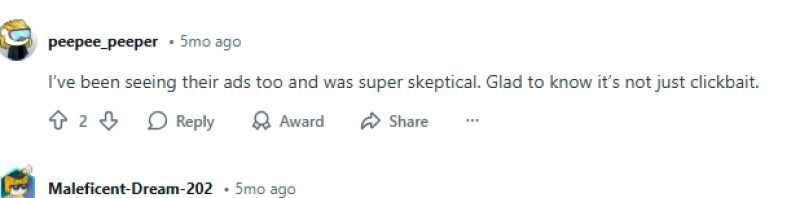
- Many reviewers describe it as a “game changer” for budget travelers, especially Canadians, praising how easy it becomes to spot trips they never thought they could afford.
- Users mention specific wins like round-trips to Europe or Madrid for under 150 USD, and feel that a single booking covered the entire membership fee and more.
- Some Comments under the 3‑month review often express relief that the platform is not acting as a sketchy payment intermediary and that bookings are handled through Skyscanner or airlines, which feels safer.
- Some people who were initially skeptical say that after seeing several weeks of legitimate, bookable deals, they decided to continue paying for the service beyond the trial because the potential savings justified it.
Negative Experiences
- A recurring complaint is around billing: users who missed the trial cancellation cut‑off or believed they canceled in time report being charged with no refund or flexibility from support.
- Trustpilot includes harsh reviews warning people not to share their card details, accusing this platform of denying cancellations and “stealing” by enforcing a strict no‑refund approach, even if communication was confusing.
- Several YouTube and social reviewers argue that it's the most dramatic example that prices are not reproducible when they attempt to follow along, claiming fake or edited screenshots and a bait‑and‑switch style of advertising.
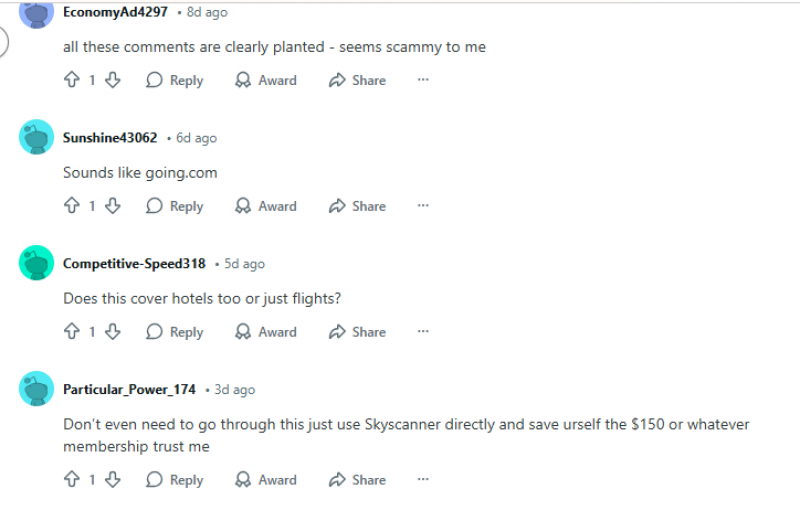
- Some users and video reviewers also point out the limited value if you live far from major airports or can’t be flexible with dates; in those cases, the deals rarely line up with your actual travel needs.
In short, satisfied users tend to be flexible, major‑hub travelers who act fast and get at least one big win early, while unhappy users often center on billing disputes and a mismatch between marketing hype and their actual savings.
Final Verdict
This platform clearly delivers real, bookable, cheap flights for some members, especially flexible travelers flying from major US and Canadian hubs, and those users can absolutely come out ahead after one or two big red‑letter deals.
However, the gap between polished marketing and lived experience is wide: strict trial billing, aggressive refund terms, and accusations of unrealistic promotional fares make this a “know‑what‑you’re‑doing” tool, not a casual no‑risk hack.
If that doesn’t sound like you, you may be better off sticking to free fare alerts, flexible date searches, and established deal newsletters, and only revisiting it if its transparency and customer‑service reputation.



Trending Collections









Popular Tags

Plus Size Work Outfits
32 Posts
School Outfit
280 Posts
Denim Outfits
562 Posts