Killian Maddox: The Dark Side of Bodybuilding Dreams

Killian Maddox is not a real athlete you can follow on Instagram, but he feels uncomfortably real to anyone who has chased perfection at any cost. Through the film Magazine Dreams, this fictional bodybuilder exposes how ambition, body image pressure, and loneliness can twist a dream into a slow-motion self‑destruction. This blog explores who Killian Maddox is, what he represents, and why his story has become such a powerful talking point around bodybuilding, fame, and mental health.
Who Is Killian Maddox?

Killian Maddox is the central character of Magazine Dreams, a 2023 American psychological drama written and directed by Elijah Bynum. He is portrayed by actor Jonathan Majors, whose intense physical and emotional transformation is a core reason the character has gained so much attention.
In the story, Killian is an amateur bodybuilder working a low‑wage grocery store job while caring for his elderly grandfather. His life is built around a single goal: becoming a world‑famous bodybuilder and gracing the covers of major fitness magazines.
Killian Maddox’s World: Obsession, Isolation, and Fame
Killian’s identity is almost entirely defined by his body and his fantasy of being remembered through bodybuilding fame. His bedroom walls are covered with images of professional champions and Mr. Olympia winners, turning his living space into a shrine to extreme muscularity.
Yet his day‑to‑day life is starkly different from the glossy images he worships.
He lives in a modest home with his grandfather, managing caretaking duties alongside training.
He spends most of his free time either in the gym or alone in front of screens, studying competitions and pornography in a detached, analytical way.
This combination of intense focus and social withdrawal fuels his isolation rather than his success.
Psychological Profile: More Than “Just” A Bodybuilder
The character is written as someone struggling with severe mental health issues, including body dysmorphic disorder and emotional dysregulation. He obsesses over perceived flaws in his physique, even when he has already pushed his body to extreme limits through harsh dieting and steroid use.
Critics and analysts often describe Killian as a volatile mix of vulnerability and rage.
On one side, he shows tenderness toward his grandfather and a clumsy desire for connection with a co‑worker named Jessie.
On the other side, he lashes out with threatening behavior when he feels judged, rejected, or disrespected, whether by competition judges, store customers, or strangers.
This duality turns Killian into a disturbing mirror of how unaddressed trauma can warp masculinity and ambition.
Trauma and Toxic Masculinity in Killian’s Story

Killian’s backstory includes a deeply traumatic childhood: his father killed his mother and then himself in a murder‑suicide. This history of violence haunts his adulthood and silently shapes his obsession with strength, control, and legacy.
Bodybuilding becomes his chosen language of power.
He believes doing something “big and important” is the only way to be remembered after death.
He equates physical size and dominance with worth, but has almost no emotional vocabulary beyond aggression and ambition.
The film repeatedly links his hyper‑masculine performance, steroids, anger, intimidation, to unresolved vulnerability rather than genuine confidence.
Relationships
One of the most painful aspects of Killian Maddox is how badly he wants a connection but how poorly he navigates it. His interactions are often awkward, intense, or inappropriate, and he misreads basic social cues.
Key dynamics in his life include:
- Jessie, the co‑worker: Their brief flirtation reveals Killian’s social inexperience and discomfort with normal dating boundaries.
- Pink Coat, the sex worker: Even in a paid encounter, his emotional needs and her limits clash, exposing his confusion around intimacy and control.
- Brad Vanderhorn, his idol: Brad appears as the ultimate bodybuilding hero, only to be revealed as a bitter, exploitative figure whose fall shatters Killian’s fantasy of mentorship.
Each relationship begins as a potential lifeline but ends up reinforcing his loneliness.
Bodybuilding, Steroids, and Physical Unraveling
Physically, Killian pushes himself far beyond healthy limits to stand out in the competitive bodybuilding world. He follows punishing routines, extreme dieting, and heavy steroid cycles, which lead to nosebleeds, health scares, and visible strain on his body.
Instead of bringing him closer to his dream, these choices:
Damage his health and worsens his mood swings.
Contribute to public breakdowns at competitions and in everyday situations.
The character becomes a cautionary figure about how “by any means necessary” training can trigger both physical and psychological collapse.
Violence, Fantasy, and the Edge of Reality
As the story escalates, Killian’s internal turmoil translates into a fascination with guns and violent fantasies. Fired from his job and increasingly humiliated in public, he begins imagining “making a statement” through harm, especially at a bodybuilding event.
The climax blends reality with hallucination as he imagines a mass shooting at a show featuring his idol, Brad. Crucially, he ultimately does not carry out the act, walking away from the stage and later breaking down in his grandfather’s arms, discarding his weapons and drugs. This choice does not deliver a neat, happy ending, but it hints at a fragile moment of self‑awareness and refusal to fully become the monster he fears.
Symbolism: What Killian Maddox Represents
Beyond one man’s story, Killian Maddox functions as a symbol of several intersecting issues:
- Body image culture: He exaggerates the pressures many gym‑goers feel to be bigger, leaner, and more “marketable.”
- Invisibility and fame hunger: His belief that only public recognition makes life meaningful reflects wider anxieties in a social‑media‑driven era.
- Systemic neglect: His strained sessions with a state counselor underscore how overburdened systems often fail people with complex trauma and mental illness.
Critics describe the character as “creation and destruction” in one body: he sculpts himself like art while simultaneously tearing his own life apart.
Jonathan Majors and the Craft Behind Killian
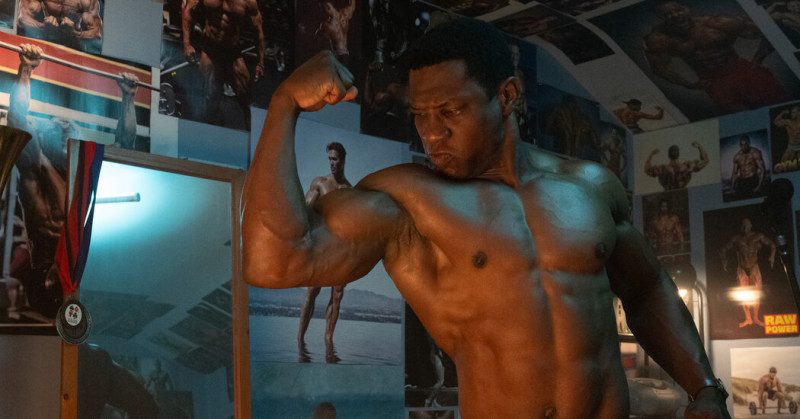
Creating Killian Maddox required both a dramatic physical transformation and intense character work from Jonathan Majors. Majors reportedly trained specifically for bodybuilding aesthetics, which differ from his earlier boxing‑oriented preparation in films like Creed III.
Interviews highlight how he approached Killian’s mindset as much as his physique:
He focused on conveying the character’s social awkwardness, suppressed tenderness, and explosive rage often within a single scene.
His performance has been widely described as raw, unsettling, and difficult to look away from, anchoring the film’s disturbing mood.
This combination is a major reason Killian Maddox has entered conversations not just as a fictional bodybuilder, but as a case study in extreme character acting.
Why Killian Maddox Matters in 2025
By 2025, Magazine Dreams and the character of Killian Maddox are being discussed alongside broader debates about toxic fitness culture, influencer‑driven aspirations, and male mental health. Online forums and reviews often frame him as an exaggerated but recognizable version of people who sacrifice everything, relationships, health,and sanity to chase a narrow definition of success.
For audiences, Killian functions as a warning.



Trending Collections








Popular Tags

Plus Size Work Outfits
32 Posts
School Outfit
280 Posts
Denim Outfits
562 Posts