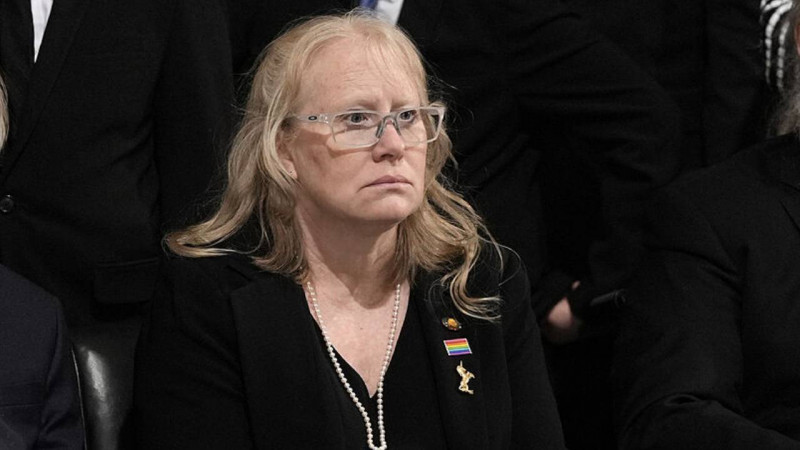
Amy Carter Net Worth: Inside the Quiet Fortune of a Former First Daughter

Amy Carter’s net worth is widely estimated at around $7 million, with most public sources placing her in a $5–8 million range rather than one fixed number. These figures are best understood as educated estimates, because her exact financial details are private.
Who Amy Carter Is
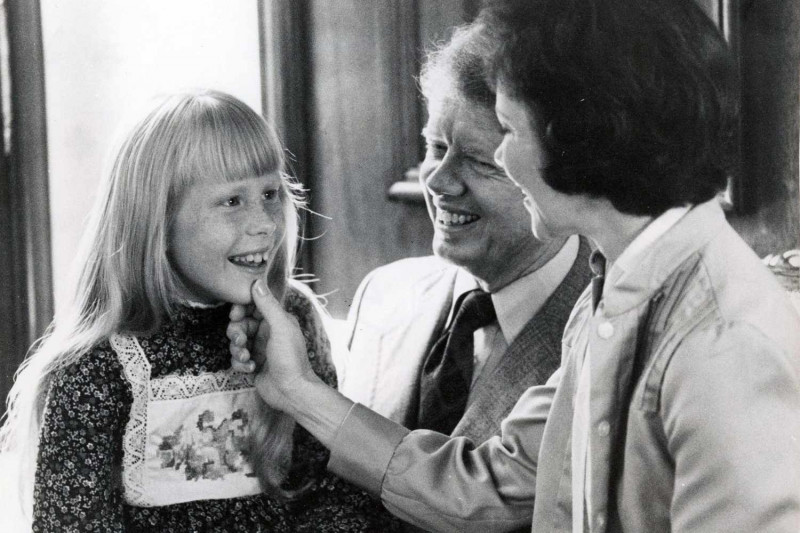
Amy Carter is the youngest child of former U.S. President Jimmy Carter and Rosalynn Carter and became known in the late 1970s as the little girl living in the White House. After her father left office, she chose a quiet life away from constant media attention and focused on her studies, art, and activism instead of a celebrity career.
How She Likely Built Her Net Worth
Most articles agree that a major part of Amy Carter’s wealth comes from family inheritance and long‑term investments linked to the Carter family’s earnings from books, speaking, and property. Rather than chasing big corporate roles, she appears to rely on solid, steady family assets that have grown over time.
Alongside this, she has used her own skills to earn money. She studied fine arts and art history, then worked as an artist, illustrator, and educator, careers that usually bring moderate but consistent income. She also co‑created a children’s book with Jimmy Carter, which can generate royalties every year, adding another quiet income stream.
Lifestyle and Money Habits
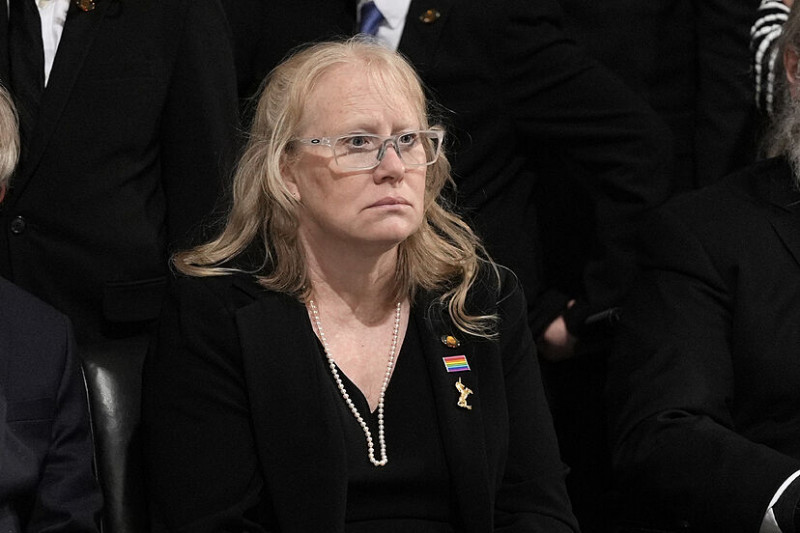
The Carter family is known for its simple, modest lifestyle, especially in Plains, Georgia, where Jimmy and Rosalynn Carter lived in a regular house rather than a lavish mansion even after the presidency. Amy has followed the same path, keeping her life private, avoiding luxury publicity, and focusing on causes she believes in, such as human rights and social justice.
This kind of lifestyle usually means lower day‑to‑day spending and less pressure to “show off” wealth, which makes it easier to protect and slowly grow assets over time. That is why her net worth looks comfortable but not flashy, the result of family wealth, careful choices, and a preference for a quiet life rather than high‑profile money moves.
Early Life, Education, and Their Role in Her Finances
Amy Carter’s path to a quiet fortune starts with her unusual childhood. Growing up in the White House exposed her to global politics and media attention at a very young age, but her parents worked hard to give her as normal a childhood as possible under the circumstances. This grounding likely shaped her later choice to avoid commercializing her status as a former First Daughter, even though she could have turned that visibility into higher‑paying work.
After leaving Washington, she attended several schools, eventually completing a Bachelor of Fine Arts and later a master’s degree in art history, which steered her toward creative and academic careers instead of law, finance, or politics. These fields generally do not create huge salaries, but they can support a stable middle‑to‑upper‑middle‑class income, especially when combined with inherited assets and long‑term investments.
A Glimpse Into Amy Carter’s Married Life
Amy Carter has kept her married life as low‑key as the rest of her personal world, but a few key details are publicly known.
She first married James Gregory “Jim” Wentzel, a computer consultant she met while working at a bookstore in Atlanta; they wed in a simple ceremony in Plains, Georgia, in 1996 and had a son, Hugo James Wentzel, in 1999. The couple later divorced in 2005.
In 2007, Amy married John Joseph “Jay” Kelly, with whom she has a younger son, Errol Kelly (often reported as born around 2010), and they live quietly in the Atlanta, Georgia, area.
Activism, Public Image, and Financial Choices
Amy Carter is also known for her activism, especially during the 1980s, when she participated in protests related to U.S. foreign policy and South African apartheid. Activist work is often unpaid or modestly paid, which suggests she has consistently prioritized values and causes over maximizing income.
At the same time, her public image as a thoughtful, low‑key former First Daughter helps maintain a respectable reputation that can support speaking invitations, book projects, and board‑level roles when she chooses to accept them. Taken together, these choices show a pattern: she uses her background and name carefully, in ways that fit her beliefs, rather than turning them into aggressive money‑making tools, which explains why her wealth is solid but not extreme.



Trending Collections









Popular Tags

Plus Size Work Outfits
32 Posts
School Outfit
280 Posts
Denim Outfits
562 Posts