The Silent Language of Men’s Jewelry

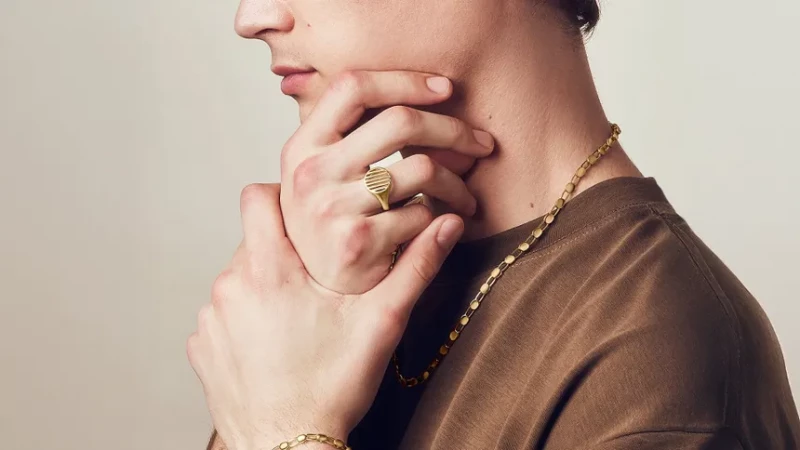
Jewelry has long been considered an expressive art form, a way of silent storytelling that carries layers of meaning. For men, the choices made in accessories are rarely about excess, but rather about focus—subtle items that signal identity without speaking a word. The men's silver necklace has emerged as one of the most enduring symbols of understated elegance. Not confined to fleeting fashion cycles, it often embodies memory, heritage, and character, acting less like a decorative extra and more like a personal signature.
A Shifting Landscape of Style
Men’s jewelry is undergoing a quiet transformation. Where generations past leaned on traditional status markers such as watches or signet rings, today’s choices open more creative avenues. Simple yet powerful necklaces have moved beyond purely functional symbols like dog tags or religious pendants into broader expressions of individuality. This evolution reflects a cultural shift where men are increasingly comfortable embracing personal ornamentation as part of self-definition.
Unlike fashion trends that blaze briefly before fading, the necklace holds a unique position because it is both intimate and outward-facing. It rests near the heart, often hidden but always present, deciding to wear one less about spectacle and more about intent. At times, it suggests confidence without flamboyance. At others, it reflects a man’s preference for minimal embellishment that still makes an impression.
The Meaning in Metal
The material choice of silver plays a major role in this shift. Silver carries a quiet strength— it is resilient, malleable, and luminous without pushing into extravagance. Where gold can be associated with wealth and status, silver leans into approachability and authenticity. It is a metal that resonates with those who see jewelry as an extension of themselves rather than a loud display.
The visual language of silver also resonates with modern style sensibilities. Its neutral tone complements formal and casual attire, allowing it to fit smoothly into various settings.
From the classic chain to more contemporary pendants, a silver necklace is accessible and doesn’t need translation across cultures or generations. Its appeal lies less in ornamentation and more in presence—the ability of one simple piece to carry meaning without distraction.
Subtle Narratives
Accessories are unique in the way they evolve with the wearer’s journey. A necklace may begin as a gift, continue as a personal talisman, and later become a link to memory. When it becomes established in someone’s daily attire, it is no longer just an accessory but part of their story. The men's silver necklace in particular, often transitions fluidly from youth into maturity, and it is an adaptable companion as style and perspective change over time.
This narrative quality differentiates necklaces from other accessories that may be bound to specific ages or occasions. A silver chain worn during youthful experimentation may feel entirely different when worn years later, yet it maintains continuity across those shifts.
Unlike clothing trends defined by seasons, a necklace finds its value through consistency.
A Growing Cultural Conversation
What is unfolding today is about fashion and the broader definitions of masculinity. Jewelry, especially necklaces, is becoming a marker of openness in identity—embracing aesthetics without rigid boundaries. In some ways, this quiet shift is more impactful than loud changes in fashion because it reflects acceptance at a deeper cultural level.
Necklaces are increasingly part of a dialogue where self-expression is not contingent on tradition or expectation. For many, choosing silver is less about following a trend and more about asserting a personal vocabulary that prefers subtlety over excess and presence over proclamation. As jewelry continues to be woven into conversations about individuality, these smaller choices recalibrate our understanding of style and identity.
The Enduring Statement
The appeal of men’s necklaces, particularly silver, rests in their paradox: impactful, yet restrained. They carry presence without demanding attention. This balance points to why they remain relevant across shifting cultural landscapes—they are as adaptable as the men who wear them.
Ultimately, the silent language of men’s jewelry is one of confidence, not in show, but in certainty. A necklace may not speak out loud, but communicates volumes through its quiet presence. The man who wears one often isn’t announcing who he is—he is simply
amplifying what’s already known.



Trending Collections







Popular Tags

Plus Size Work Outfits
32 Posts
School Outfit
280 Posts
Denim Outfits
562 Posts
_1762434561.jpg)