Business Casual for Teens: Why Dressing Well Is an Important Life Skill

By johnchen35
Updated Jan 20, 2026What Is Business Casual for Teens?
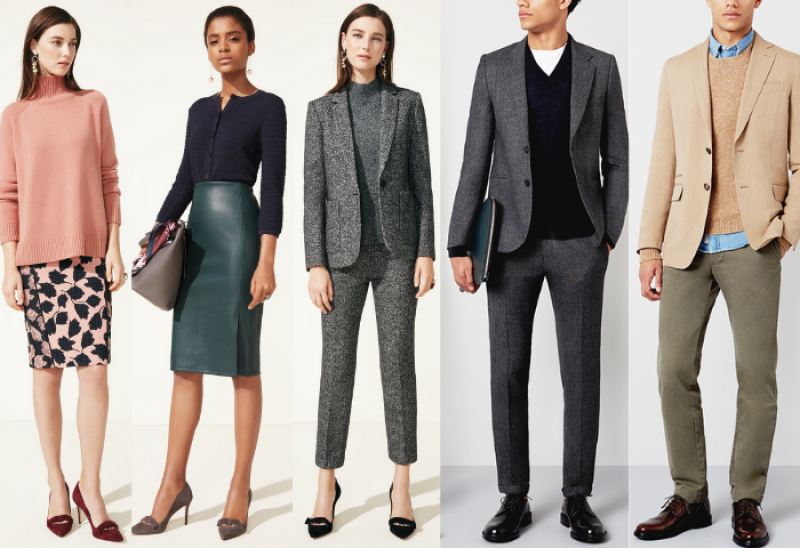
Business casual for teens is more than just a dress code—it’s an early lesson in professionalism, confidence, and self-awareness. As teenagers begin stepping into internships, school presentations, interviews, part-time jobs, or leadership roles, how they dress often becomes their first form of non-verbal communication.
In today’s competitive world, appearance doesn’t replace ability—but it often shapes first impressions. Learning business casual early helps teens understand expectations, adapt to different environments, and present themselves with intention rather than guesswork.
This article draws on common workplace norms and educational psychology to explain why dressing well is not about fashion, but about developing an essential life skill.
Why Business Casual Signals Professionalism

As teens explore opportunities beyond the classroom, business casual attire becomes a bridge between casual student life and professional settings. It represents a balance—polished but not overly formal, confident without being rigid.
Simple choices such as clean chinos with a collared shirt, or a knee-length skirt paired with a blouse, communicate effort and respect. These signals matter because they show an understanding of context—knowing when and how to adjust behavior based on the environment.
Teachers, mentors, and employers often interpret appropriate dress as a sign of reliability and preparedness. For teenagers, this awareness marks an early step toward professional maturity.
How Dressing Well Builds Confidence in Teens

Many teens are surprised to notice how differently they feel when they dress with intention. Clothing doesn’t just affect how others see us—it influences how we see ourselves.
Psychologists refer to this as “enclothed cognition”, the idea that what we wear subtly shapes our mindset and behavior. Structured clothing, such as a blazer or polished shoes, can encourage better posture, clearer speech, and greater confidence.
Teens who experiment with business casual often report feeling more focused during presentations, more comfortable speaking up in group settings, and more at ease in unfamiliar environments. These internal shifts are just as valuable as the external impression.
How Clothing Influences Mindset and Behavior
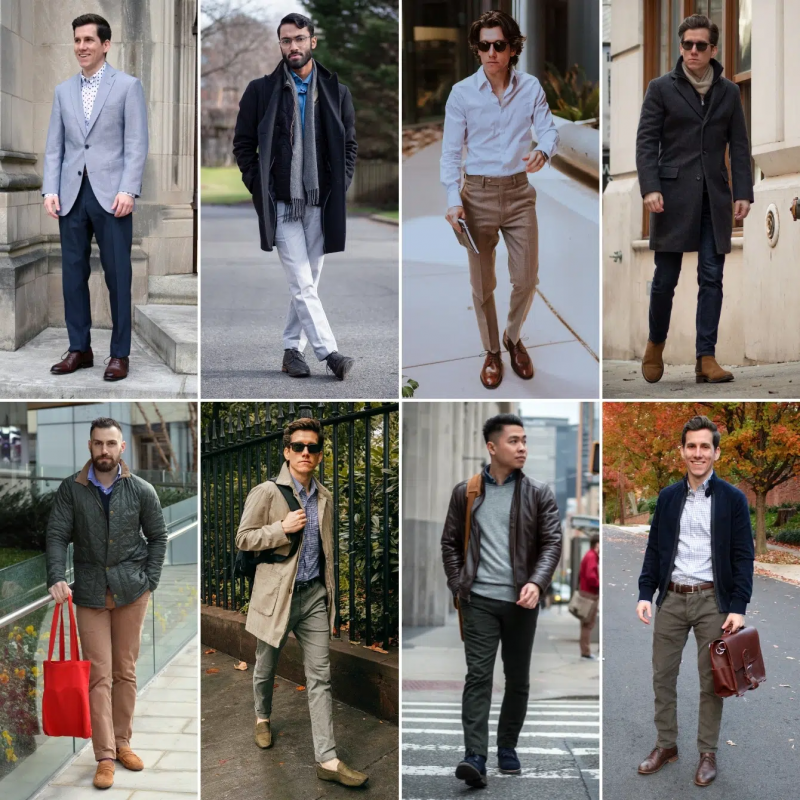
Here’s how common business casual elements can impact confidence and professionalism:
| Clothing Element | Psychological Impact | Example for Teens |
| Blazer or jacket | Adds authority and confidence | Great for debate club or interviews |
| Polo or button-up shirt | Communicates neatness and effort | Suitable for presentations |
| Smart shoes | Encourages professionalism | Helps posture and focus |
| Neutral colors | Project maturity and balance | Ideal for work settings |
Why First Impressions Matter in Presentations and Interviews
First impressions form quickly—often within seconds. Before a teen speaks during an interview or presentation, clothing has already communicated a message.
Dressing in business casual attire can make teachers, interviewers, and peers more receptive to what’s being said. It suggests preparation, discipline, and respect for the opportunity.
Importantly, dressing well isn’t about impressing others. It’s about showing respect for oneself and the moment. Teens who understand this tend to approach responsibilities with more seriousness and confidence.
Why Teens Should Learn Dress Codes Early
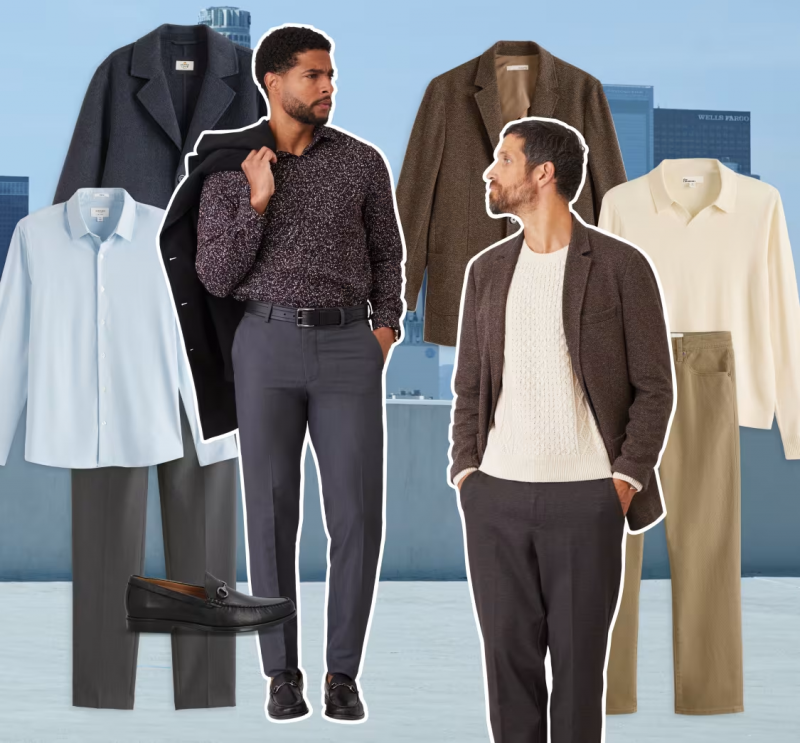
Understanding dress codes is a soft skill many adults wish they had learned sooner. Business casual isn’t the same everywhere, and learning to observe, adapt, and ask questions is part of professional growth.
For teenagers, this awareness builds emotional intelligence. It teaches them to read situations, recognize expectations, and adjust without discomfort. Whether it’s knowing when sneakers are acceptable or when a more polished look is needed, these lessons reduce anxiety later in college and the workplace.
Learning dress codes early helps teens transition smoothly from student life to adult responsibilities.
Dressing for Success Starts Young
Clothing doesn’t define a teenager—but it can refine how they’re perceived and how they feel. Learning business casual is not about looking older or more serious than necessary; it’s about building confidence, adaptability, and self-respect.
When teens understand how to dress appropriately for different situations, they gain a quiet advantage that carries into college, careers, and leadership roles. These habits, formed early, become lifelong skills.
The takeaway is simple: dressing for success starts young, and understanding professional attire prepares teens not just for jobs—but for life.



Trending Collections





Popular Tags
Plus Size Work Outfits
32 Posts
School Outfit
280 Posts
Denim Outfits
562 Posts